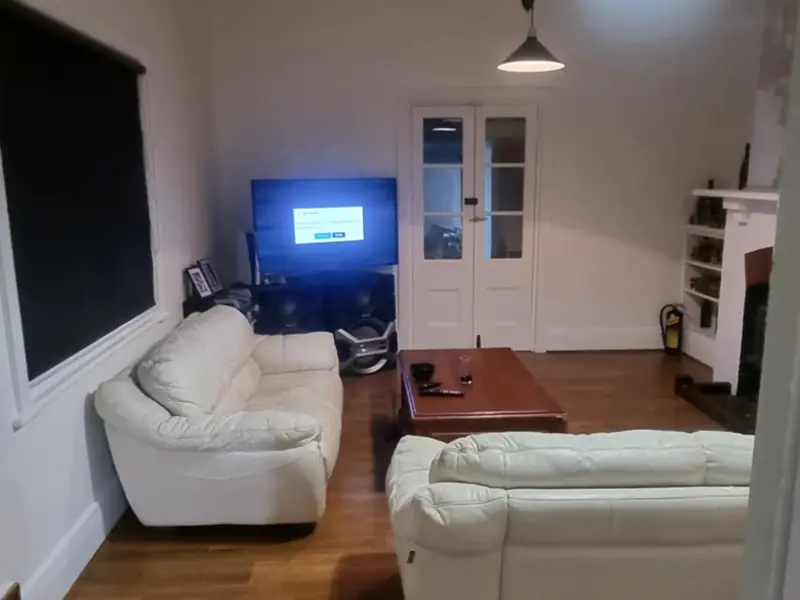
In the Riverland, the rooms on the west side of the house can be the hottest in the place by late afternoon, and Gawler isn't far behind on a 40-degree day. Lindsay does home window tinting for the windows that cop the afternoon sun, to cut the heat and glare in those rooms. He works from Waikerie and from Gawler, and quotes every job free.
How window film works
Window film is a thin polymer film with an absorbing dye or a reflective metal layer and an adhesive backing. It sticks to your existing glass. The Australian Government's YourHome guide to glazingcalls it a cost-effective way to improve the thermal performance of windows you already have, and says some films can halve a window's solar heat gain.
It matters because windows are where a lot of the heat gets in. YourHome says up to 87% of a home's heat gain can come through its windows. Film won't turn a hot house into a cool one on its own, but on the right windows it takes a lot of the sting out of a summer afternoon.
Which windows to tint first
- West-facing windows. YourHome points out that on a summer afternoon the sun hits a west window almost straight on, so these let in far more heat than a north window at the same time of year. Start here.
- East-facing windows that get long periods of morning sun, especially bedrooms and kitchens.
- Rooms you actually use in the heat. The lounge, the family room and the kitchen usually come before a spare room.
- Windows with no shade. Glass under a deep verandah or wide eaves is already protected. Bare glass on an exposed wall is where film earns its keep.
- Glare problems.A window that makes the TV or a computer screen hard to see for half the day is worth including, even if heat isn't the main issue.
A simple way to decide: on the next hot afternoon, walk through the house and note which rooms are hottest, which windows the sun is coming through, and what time it starts.
The trade-offs to know about
- Less light. YourHome notes that window films may reduce how much visible light comes through. If you want a room to stay bright, say so and a lighter film can be considered.
- Glass in direct sun runs hotter. Filmed glass in direct sun gets hotter than untreated glass, and YourHome says industry guidelines must be followed to avoid heat cracking. That is why the type and condition of the glass matter. Mention any cracked panes, double glazing or very old windows when you ask for a quote.
- Shade outside still helps. Film works at the glass. Eaves, awnings, a shade sail or a tree stop the sun before it gets there. On a really exposed west wall, the two can work well together.
Riverland and Gawler homes
In Waikerie, Barmera, Berri, Loxton and Renmark, long hot summers and west-facing living areas are the usual reason people ask about tinting. Around Gawler, Willaston and Evanston there are plenty of older homes with timber windows, while newer homes in Gawler East and Hewett usually have standard aluminium windows and big sliding doors onto the yard. Lindsay will tell you what suits the windows you have.
If you're getting the house ready for summer anyway, it's worth checking the fly screens at the same time. Our guide to fly screen repair before summer covers what to look for, and both jobs can go on the same visit.
What to send for a quote
- Your town or suburb.
- Which windows, and roughly which way each one faces.
- A photo of each window, and rough sizes (width and height) if you can measure them.
- Which rooms get too hot or too glary, and what time of day it happens.
- Anything unusual about the glass, like cracks, double glazing or very old windows.
Send the details through the quote form or call Lindsay on 0481 195 152 for a free quote. He covers the Riverland, Gawler, the Barossa and Adelaide's northern suburbs.